Which binder works best for a big collection?
Your collection is growing, and one day it won't fit in a single binder. We work out how many cards fit in a 9-pocket and 12-pocket binder, and how to organize multiple binders smartly.
In this article
- Your collection is growing, and one day it won't fit in a single binder. We work out how many cards fit in a 9-pocket and 12-pocket binder, and how to organize multiple binders smartly.
Your collection is growing, and one day it won't fit in a single binder anymore. At what point do you need a second one, and should you just grab the same model, or switch to more capacity per page? This guide works out the numbers so you don't have to switch models halfway through your collection.
How many cards fit in one binder?
A standard 9-pocket binder with 20 pages holds around 360 cards. A 12-pocket binder with the same number of pages holds 480, without the binder getting any thicker or heavier. That difference looks small, but across a collection of thousands of cards it quickly adds up to a full binder less on the shelf. Before you buy, work out roughly how many cards you have now and how many you expect to add over the coming months. If you're growing fast, it's often cheaper to size up right away than to order an extra binder within a year.
12-pocket or 9-pocket?
More pockets per page sounds like the obvious choice for a big collection, but there's a trade-off. The pockets on a 12-pocket page are slightly smaller, which works fine for regular cards but can feel tight for a card that's already inside a toploader or a thicker sleeve. If you mostly store loose cards without extra protection around them, 12-pocket is the most space-efficient choice for a large collection. If you prefer to sleeve or toploader every card before it goes in the binder, 9-pocket stays the safer fit, even though you'll need a few more of them.
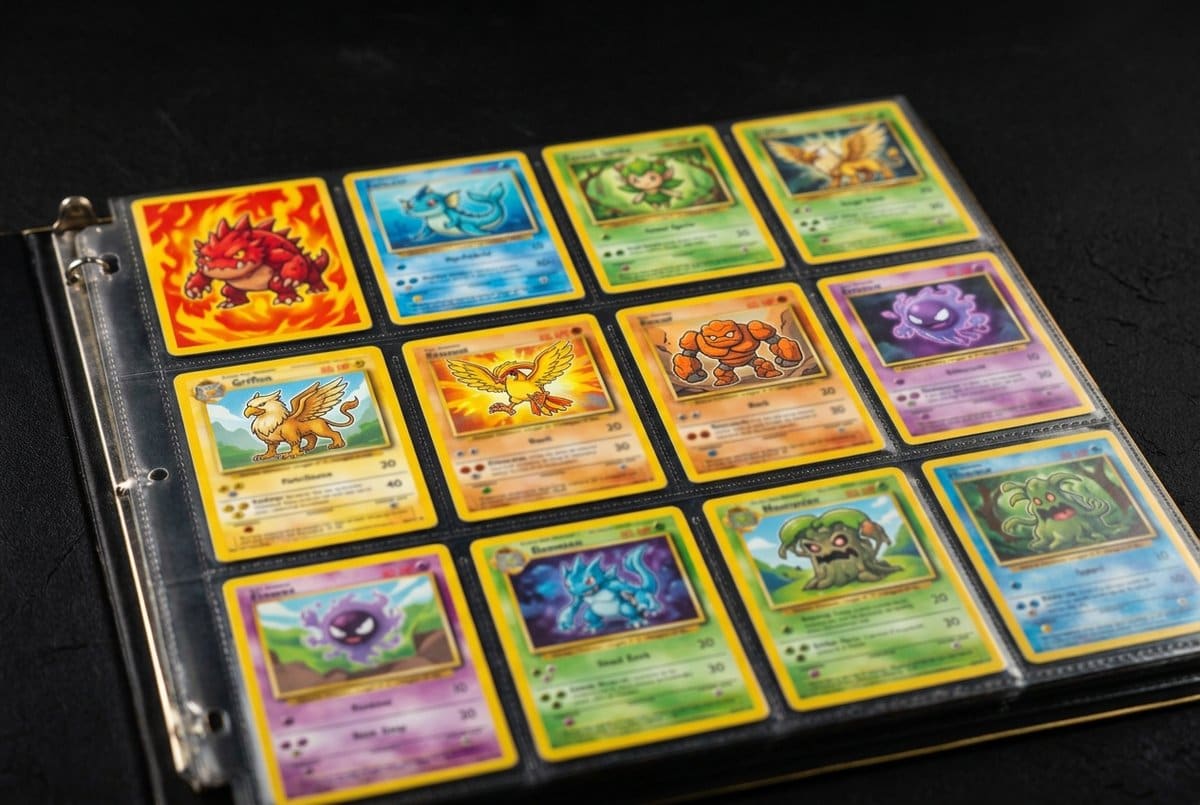
Zipper or elastic for heavy use?
The bigger your collection, the more often you open, move, or bring a binder to a trade or event. For that kind of use, the closure matters more than you'd think. A zipper keeps the binder fully shut, even if it tips over by accident or sits at an angle in a bag, and it keeps out dust and moisture. A binder with just an elastic band is lighter and cheaper, but under heavy use there's a higher chance something shifts or slips out. For a collection you handle regularly or take with you, a zippered model is worth the small extra cost.
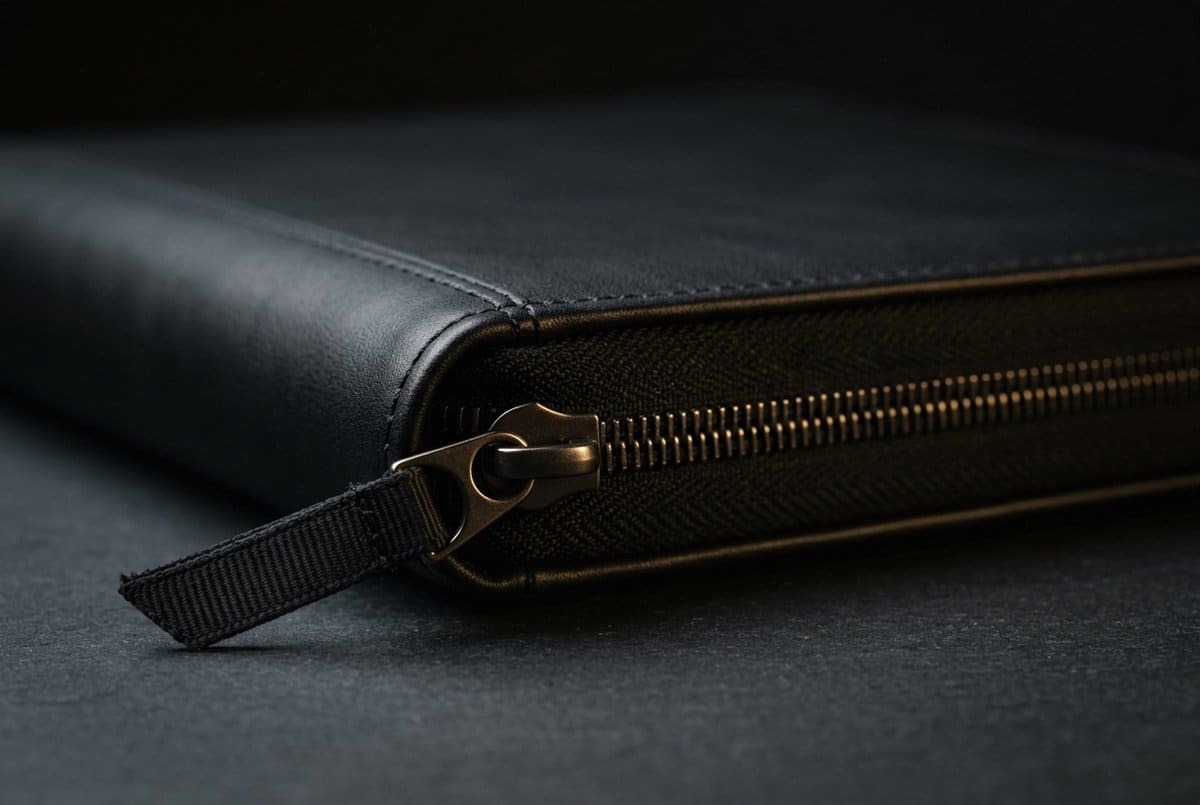
Organizing multiple binders smartly
Sooner or later you'll need more than one binder, and at that point structure matters as much as capacity. Split by set or expansion instead of filling binders randomly: that way you can find a card right away, and each binder wraps up neatly once a set is complete. Stick to the same model across your whole collection rather than mixing brands and pocket counts. That keeps your shelf tidy, gives every binder the same level of protection and capacity, and makes it easy to see how many cards you actually have in total.
Torn between 9-pocket and 12-pocket for your next binder? Below are a few options that grow along with a big collection.