Card grading basics: how does it work?
Grading gives your card an official score and a sealed protective holder. Here is when it pays off, how the process works and how to prepare your card safely.
In this article
- Grading gives your card an official score and a sealed protective holder. Here is when it pays off, how the process works and how to prepare your card safely.
You pull a great card and someone says: you should get that graded. But what is grading exactly, and is it always a good idea? This article covers the basics, no fuss.
What is grading exactly?
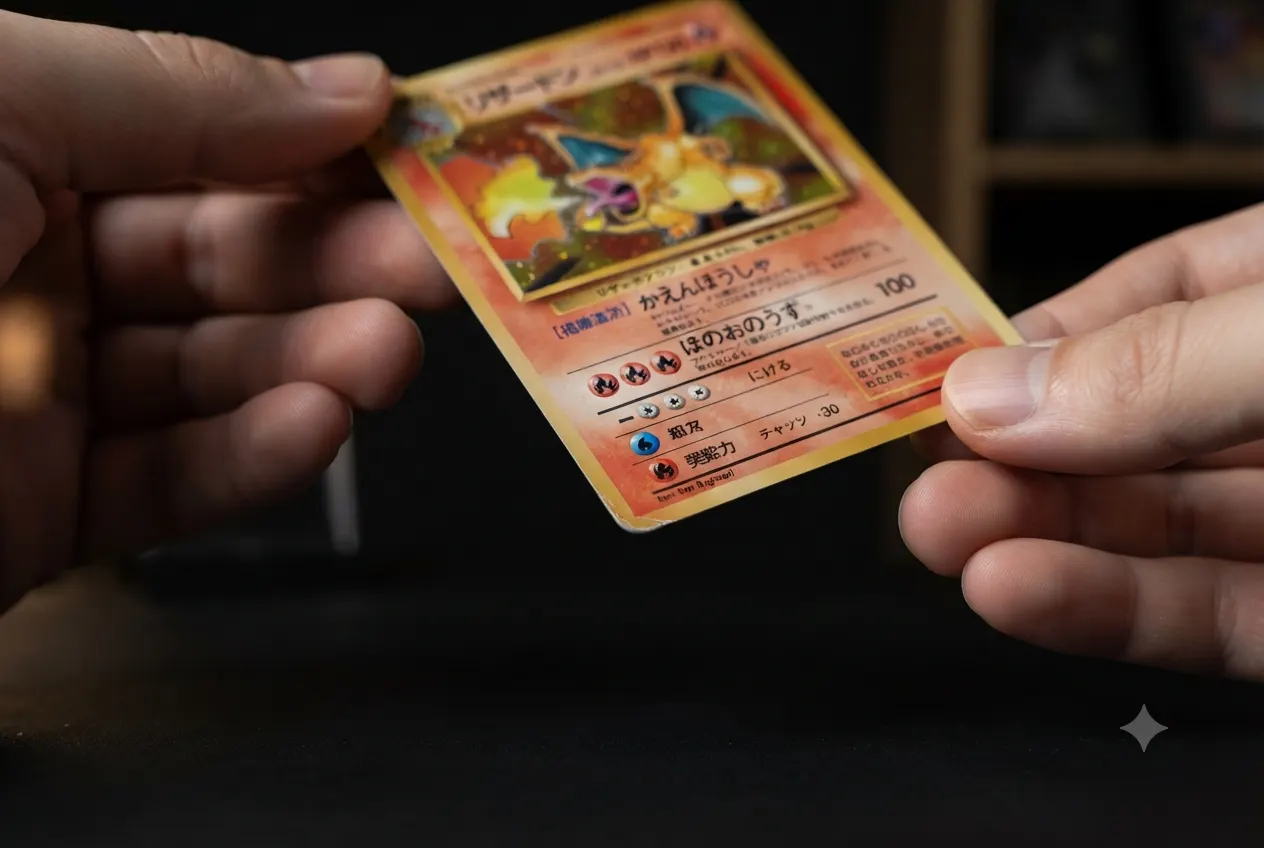
Grading means sending your card to an independent company that professionally assesses its condition. The best known names are PSA, CGC and Beckett. An expert checks four things: the corners, the edges, the surface and the centering. Centering means how well the image is printed in the middle of the card.
Your card gets a score from 1 to 10. A 10 is close to perfect. After grading, the card is sealed in a hard clear holder called a slab. The slab protects the card and makes the score official. A high score can raise the value of your card considerably.
When is grading worth it?
Not every card needs to see a grader. Grading costs money per card, plus shipping both ways. Costs differ per company and per service speed, so always check current rates before you decide.
A simple rule of thumb: the expected value of the card should clearly exceed the total cost of grading. For most cards from recent sets, that is not the case. For rare cards in top condition, like full arts or older cards, it can pay off.
Inspect your card yourself first under good light. Do you see white edges, small scratches or an image that is clearly off-center? Then the score will be lower and grading is rarely worth it. Sentimental value counts too: some collectors grade a card simply because it is special to them.
How does the process work?
First you pick a grading company and a service level. The faster you want your card back, the more you pay. From Belgium you can ship directly, but many collectors use a European intermediary or a collectors fair that bundles submissions. That is often easier for shipping and customs.
Next, you pack the card following the grader's instructions and send it off. Expect weeks to sometimes months of waiting, depending on demand and the service level you chose. Your card comes back in a slab, with the score on the label.
How to prepare your card
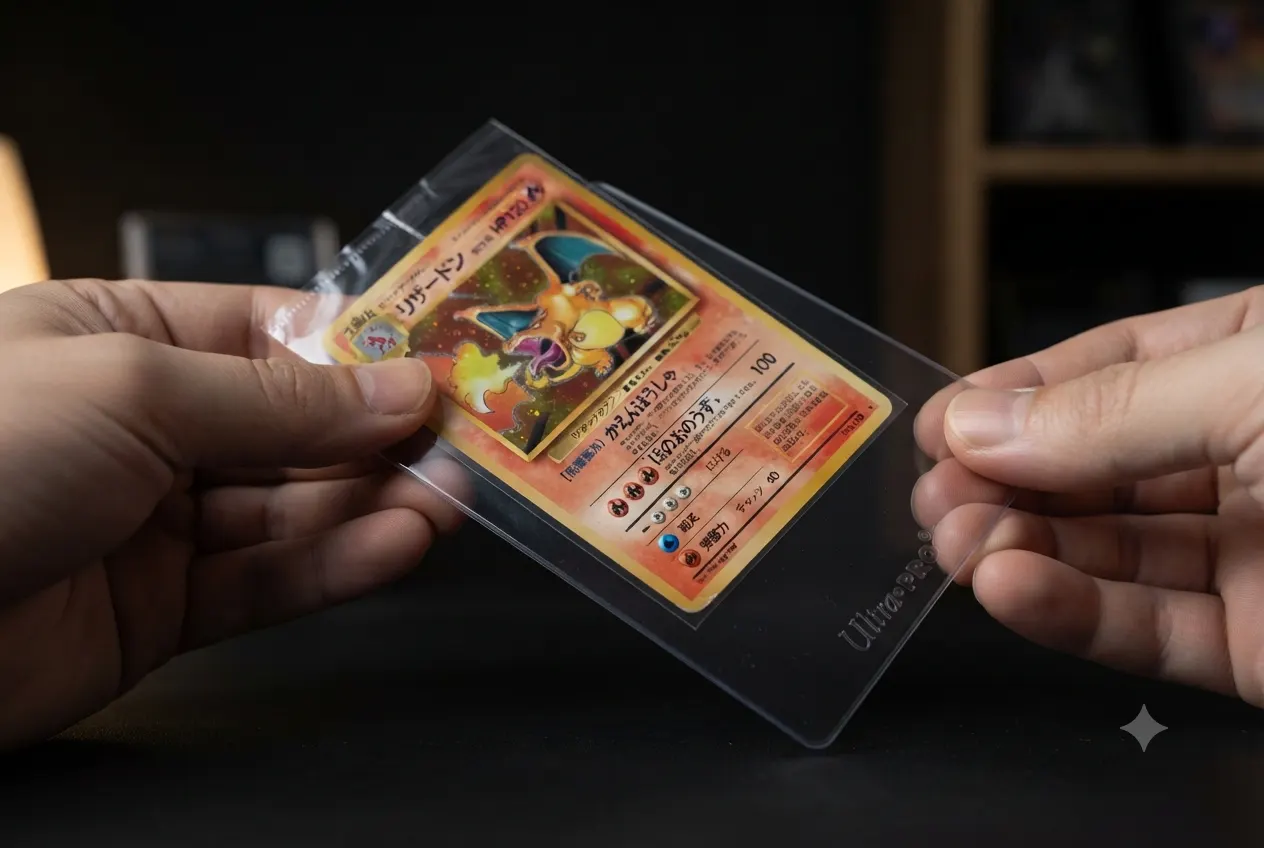
Important: never clean your card. Polishing or rubbing causes micro scratches, and those show up in the score. Hold the card by the edges, with clean and dry hands.
For shipping, the card first goes into a penny sleeve, a thin soft protective sleeve. Then into a semi-rigid holder, often called a Card Saver. Most graders ask for that combination because the card is both safe and easy to remove. A sturdy toploader is ideal for storing your card at home until you ship it, and for safe transport in general.
Not sure yet if grading is for you? Store your best pulls safely in a sleeve and toploader for now. That keeps the condition perfect, whatever you decide later.