How to keep your Pokémon cards valuable
A card doesn't lose value just by getting older, often it's the opposite. This guide explains what really determines your Pokémon cards' value and which mistakes quietly cost you.
In this article
- A card doesn't lose value just by getting older, often it's the opposite. This guide explains what really determines your Pokémon cards' value and which mistakes quietly cost you.
An old card isn't automatically worth less. With Pokémon cards, it's often the opposite: the older and rarer a card gets, the higher demand can climb. But that value isn't guaranteed. A few bad habits can undo it in seconds. This guide covers what actually determines the value of your cards, and which mistakes to avoid.
Condition is still the first thing that decides value
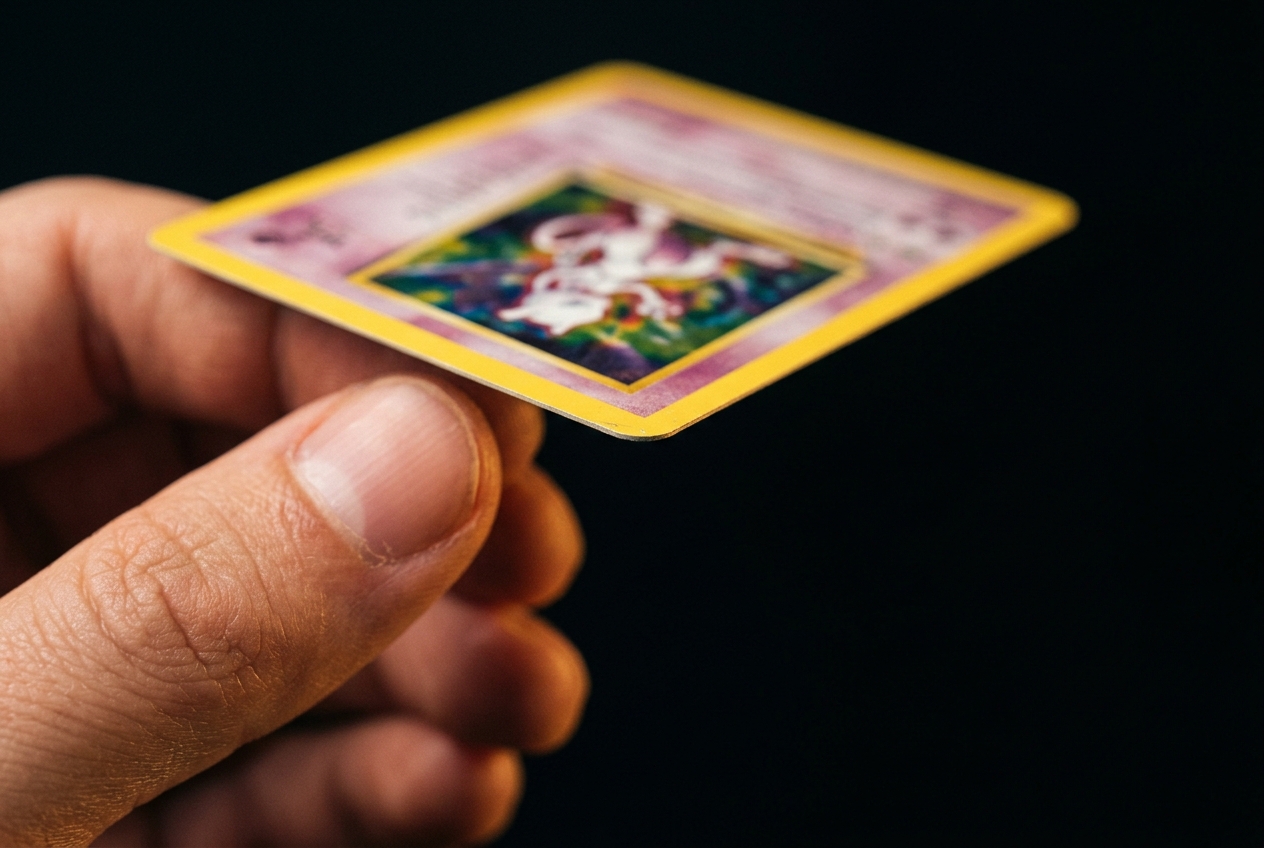
Two identical cards from the same set can differ wildly in price, purely based on condition. Collectors and graders look at four things: the corners, the edges, the surface, and the centering (how well the image sits in the middle of the card). A tiny white edge or a barely visible scratch might be hard to spot with the naked eye, but it still counts.
That's why every second matters from the moment you pull a card out of the pack. Hold it by the edges with clean, dry hands, and slide it into a sleeve right away. Wait "just a bit longer" for photos or sharing on social media, and you're taking on unnecessary risk of a bend or scratch you can never undo.
Rarity and demand set the ceiling
Perfect condition alone doesn't make a card valuable. How much a card can ultimately be worth depends just as much on how rare it is and how many people want it. A low print run, a popular Pokémon taking center stage, or chase card status within a set all push demand up. Reprints work the other way: once a card gets reprinted in a later set or collection, its rarity, and usually its price, drops.
The age of a set matters too, though not always the way you'd expect. Not every old card is automatically valuable, and not every new card is worthless. It's the combination of scarcity, popularity, and condition that sets the ceiling on value, not any single factor on its own.
These habits quietly cost you value
Some mistakes look harmless but still add up.
- Cleaning or wiping a card to make it look better. This usually causes micro-scratches you'll only notice later.
- Carrying a card loose in a wallet or pocket, even briefly.
- Displaying a card in direct sunlight for long periods, colors fade faster than you'd think.
- Handling a card repeatedly for photos without clean hands, fingerprints and oil build up over time.
- Using a sleeve that's slightly too tight, which can bend the card just to make it fit.
Thinking about selling? Check this first
If you're considering selling, do your homework first. Compare the current price of the same card in the same condition across a few sources, prices can shift daily. Never clean a card to make it more appealing, that almost always backfires. The same principle applies to sealed products like boosters or Elite Trainer Boxes: keep the original packaging intact, a box that's been opened or damaged is worth noticeably less to collectors.
Is the expected value of a card clearly higher than the cost of professional grading? Then a slab can boost both value and sellability further. For most cards that isn't the case, and a good sleeve and toploader are more than enough to preserve value until you decide what to do with it.
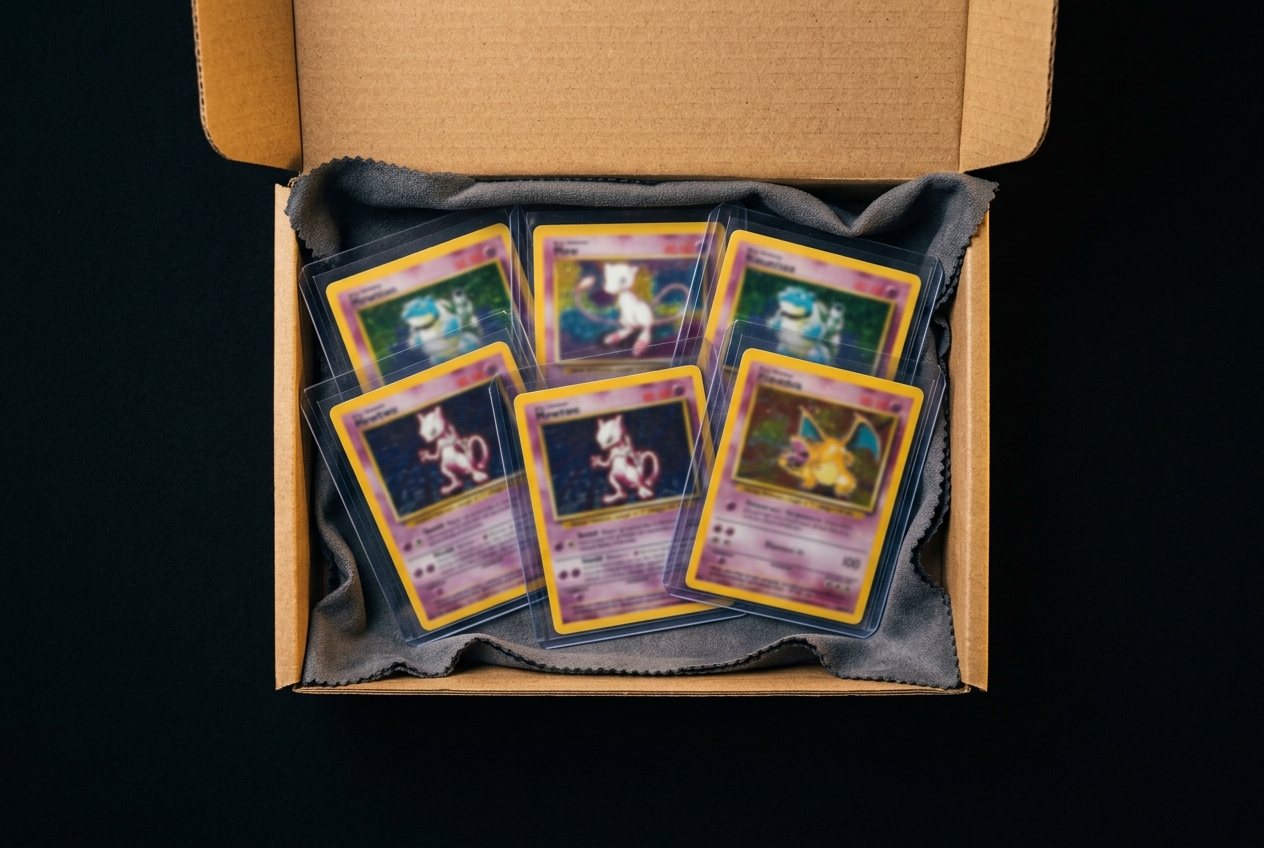
Want to properly protect your most valuable cards right away? Browse our sleeves, toploaders and binders below, and keep your collection in top condition until you decide what happens next.