What is a chase card?
Every new Pokémon set has one card everyone is hunting for: the chase card. We explain what the term means, how to spot it, and what to do the moment you pull it.
In this article
- Every new Pokémon set has one card everyone is hunting for: the chase card. We explain what the term means, how to spot it, and what to do the moment you pull it.
You tear open a booster pack hoping for that one card that makes the whole set worth it. Inside the hobby, that card has a name: the chase card. This guide explains what a chase card actually is, how to spot one in a new set, and what to do the moment you pull it.
What exactly is a chase card?
A chase card is the card, or small handful of cards, that collectors and players within one specific set are hunting for the hardest. It isn't automatically the most expensive card in the entire Pokémon TCG, but it is the card that gets the most attention within that particular release. Usually that comes down to a striking full-art design, a very low pull rate, or a fan-favorite Pokémon taking the spotlight in that set. The term originally comes from the wider trading card world and is used well beyond Pokémon, from sports cards to Magic: The Gathering.
How do you spot the chase card of a set?
Not every rare card is automatically a chase card. A few signals help you spot the real one. It often appears front and center on the Elite Trainer Box or booster display packaging, it keeps showing up in unboxing videos and on social media, and the community is already talking about it on forums and Reddit before you even open a pack yourself. Rarity symbols like secret rare or special illustration rare hint at scarcity, but the real chase card is mostly decided by collector demand, not just the symbol printed on the card. That status can even shift after release: a card that went mostly unnoticed at launch can quietly turn into the set's chase card weeks later, once everyone realizes just how rare it really is.
Why do collectors chase it so hard?
A chase card is what pulls people into opening multiple boosters, precisely because the odds of pulling it are slim. For many fans, that moment of tearing a pack open and hoping is a big part of what makes the hobby fun, separate from the card's eventual value. At the same time, that same scarcity is exactly what drives up the price on the secondary market once a card gets recognized as "the" chase card of a set. The newer the set, the harder it usually is to find fresh boosters, and the bigger the chase becomes. For players, there's another angle too: a chase card isn't always the strongest card to actually play with, but it is the one everyone wants to own, even if it never sees the table.
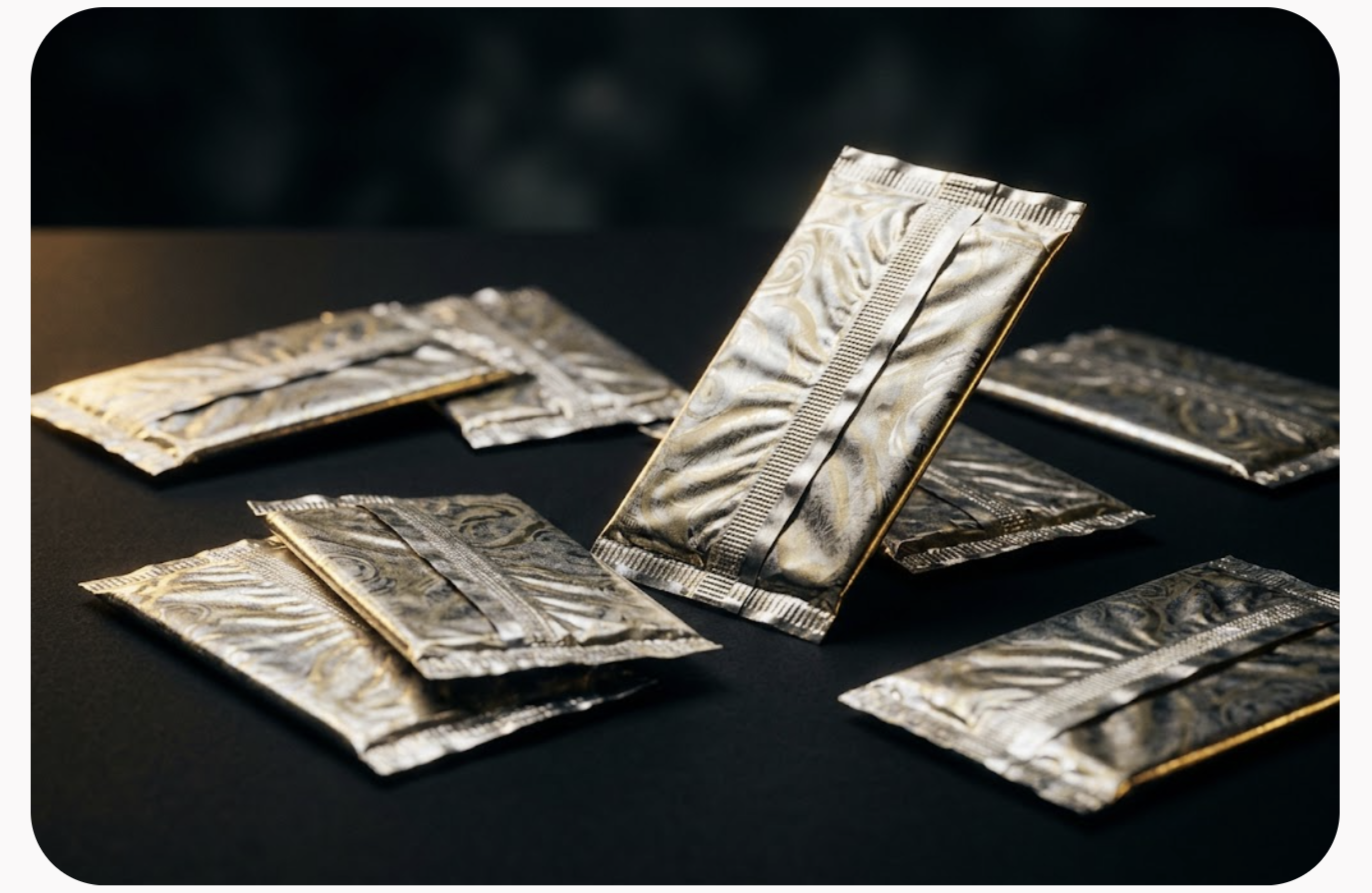
Pulled the chase card? Protect it right away
Once you've got the chase card of a set in hand, don't wait to protect it. Slide it into a sleeve and then a toploader right away, before you show it off or photograph it for social media. A card that bends or picks up a scratch mid-celebration loses a real chunk of its value instantly, even though it's technically still the same card.
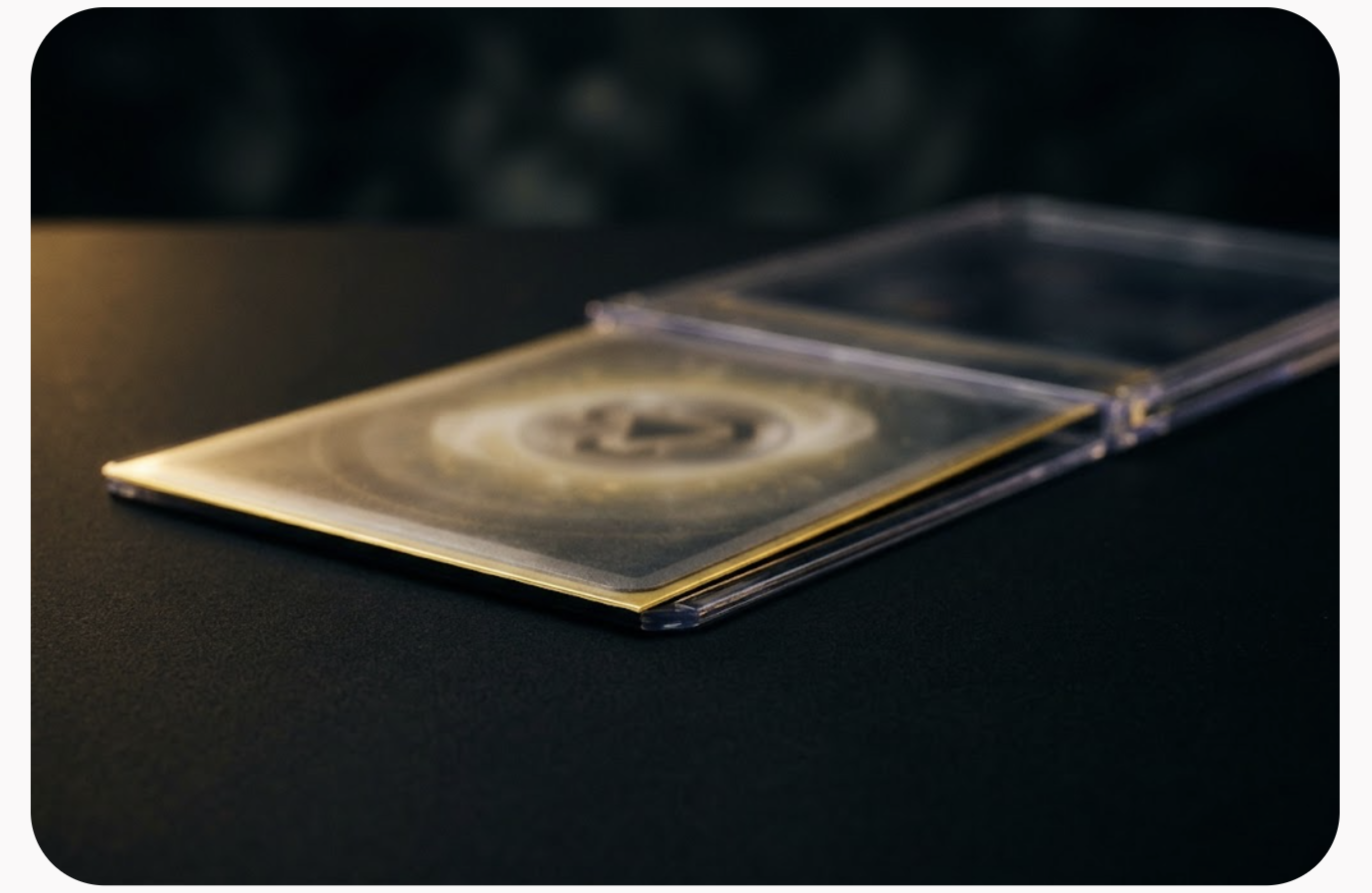
Want to chase the newest set's chase card yourself? Browse our single booster packs below, and keep a sleeve and toploader within reach for the moment you pull it.